How do we speak about truth, identity, and public authority in times of fragmentation? This question resonated throughout the 2026 ICON•S Annual Conference, held from 29 June to 1 July 2026 at University College Dublin, and provided an important backdrop for many of the discussions in the branch public law.
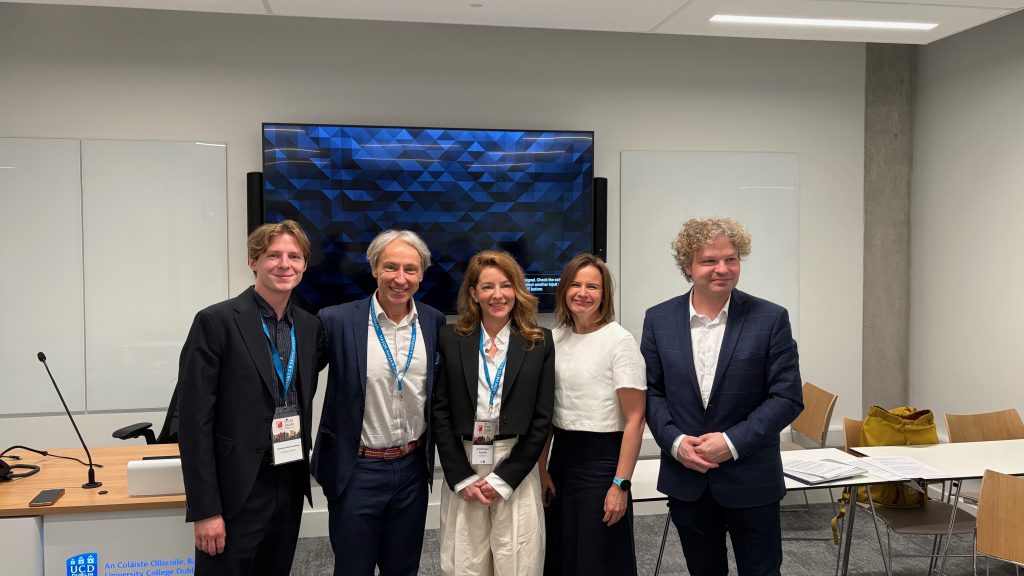
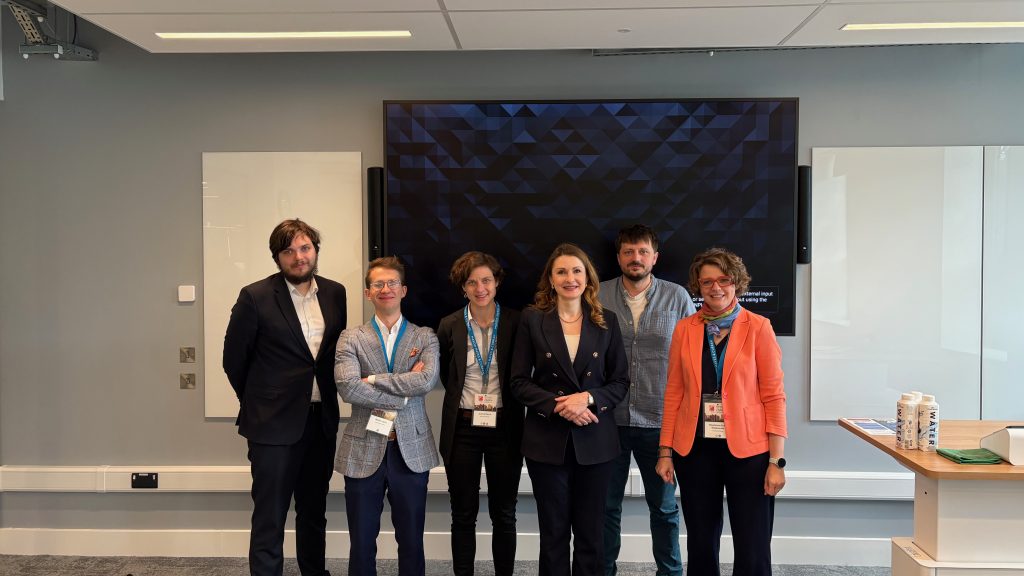
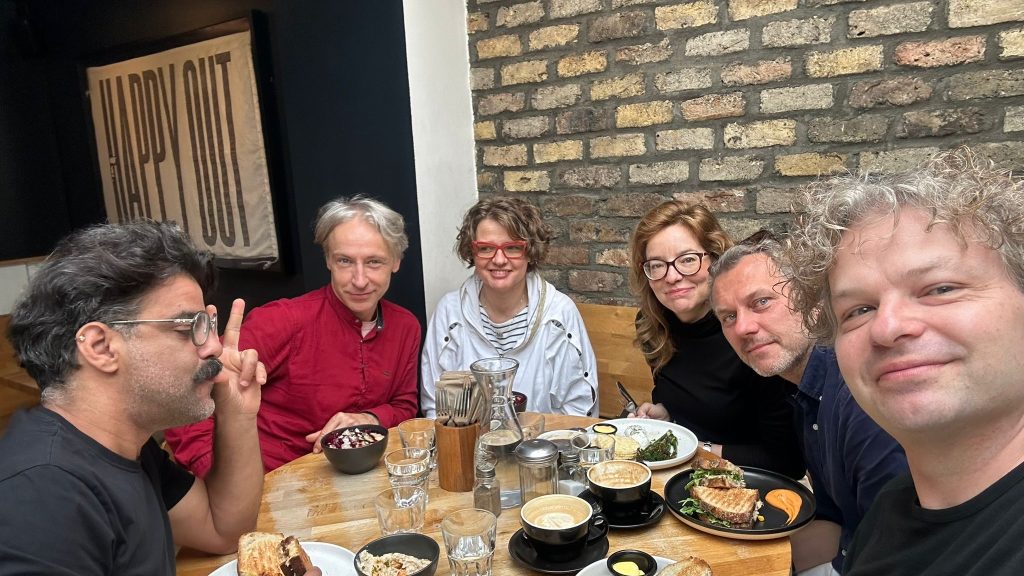
This year’s conference offered a valuable opportunity for members of the Chair of Transnational Law to actively engage in the international academic community. Our presence extended well beyond a single panel, encompassing contributions across a variety of thematic sessions and formats. Colleagues from the Chair and Faculty participated in discussions addressing current challenges in European and transnational public law, bringing diverse perspectives and expertise into ongoing scholarly debates.
Members of the Chair actively contributed to the conference through participation in a wide range of panels and presentations. These included:
- panel “The EU in a Fractured World: Balancing Competitiveness and Values in Digital Economy Regulations”, chaired by Prof. Magdalena Słok-Wódkowska, which included paper “Leaving the Digital State of Nature: a Lockean view on Digital Constitutionalism”, presented by Bartosz Szyler, PhD student;
- panel “Reimagining Truth and Identity in EU Public Law through Courts, Markets and Interpretation”, chaired by Prof. Robert Grzeszczak, which included papers:
- “Public Authority, Truth and Fragmentation in EU Law from a Constitutional Perspective” presented by Prof. Robert Grzeszczak,
- “Illusion of Choice in the Digital Market: Consumer Protection and Public Authority in EU Law” presented by Prof. Jagna Mucha,
- “Teleological Interpretation as a Method of Constructing Normative Truth in EU Law” presented by Stanisław Ośka-Gorzeliński, PhD student;
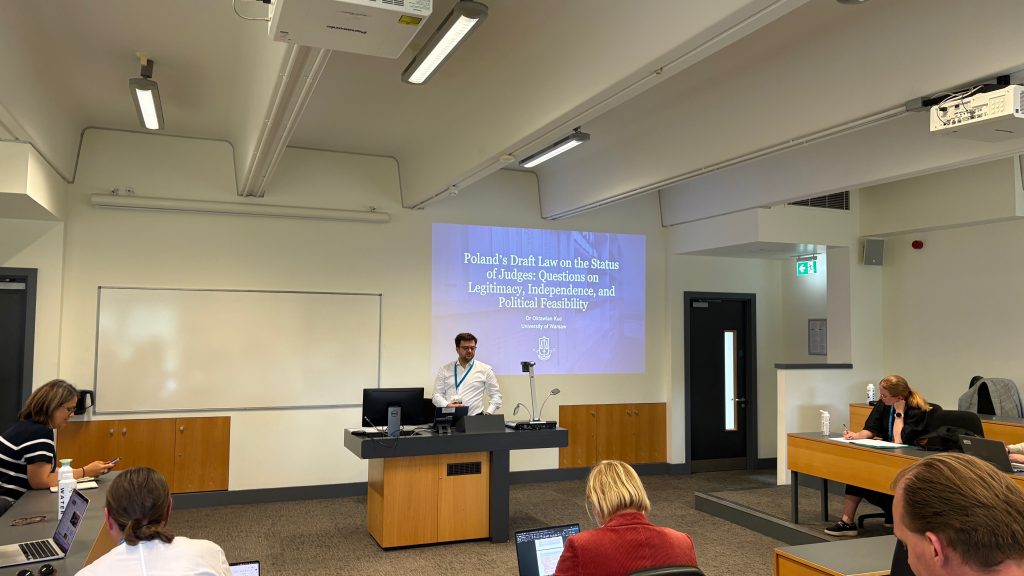
- paper “Poland’s Draft Law on the Status of Judges: Questions on Legitimacy, Independence, and Political Feasibility” presented by Dr. Oktawian Kuc;
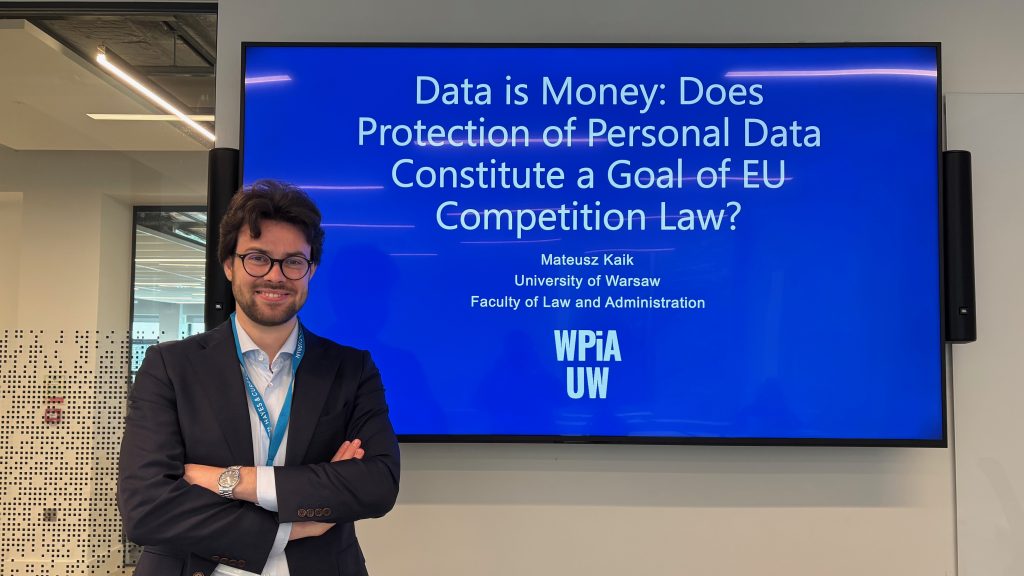
- paper “Data Is Money: Does Protection of Personal Data Constitute a Goal of EU Competition Law?” presented by Mateusz Kaik, PhD student.
The conference also provided an important space for exchange and collaboration, enabling participants to connect with scholars from across jurisdictions and disciplines. Such interactions are essential for advancing research and fostering a deeper understanding of the evolving landscape of public law.
We are grateful to the institutions and partners whose support made our participation in this year’s conference possible.
We would like to thank all speakers, participants, and colleagues for an inspiring and thought-provoking event. The discussions in Dublin will continue to inform and enrich our research and teaching in the months ahead.